Tangem Wallet Review: Is a Card-Shaped Wallet Safer Than a USB Ledger?
The hardware wallet market has hit a plateau of complexity. For years, the industry forced users to manage cables, batteries, and the anxiety-inducing 24-word seed phrase. While brands like Ledger and Trezor remain the “old guard” of security, Tangem has introduced a provocative alternative: a plastic card with no screen, no battery, and no visible connection.
Is a card that looks like a credit card actually capable of protecting a life-changing amount of capital? In this 2026 analysis, we evaluate whether Tangem is a legitimate security upgrade or a dangerous compromise for those who value convenience over transparency.
1. Hardware Architecture: The Power of Minimalism
Tangem operates on a philosophy of “security through minimalism.” Unlike a Ledger, which is essentially a tiny computer with firmware that requires constant updates, Tangem is a monolithic chip embedded in plastic.
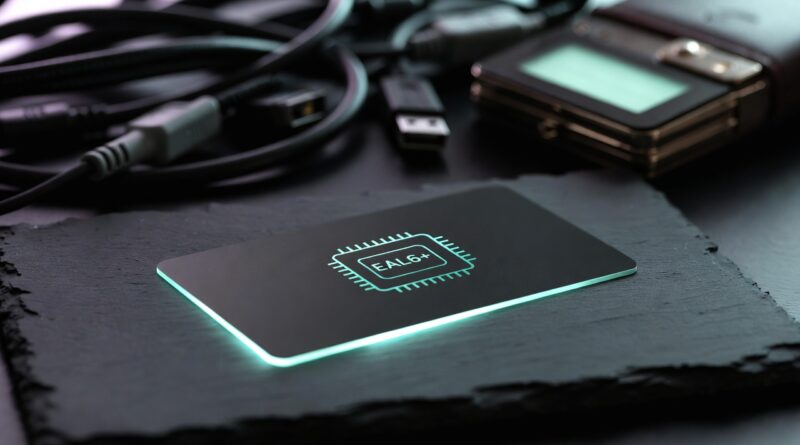
- The EAL6+ Chip: The core is a Secure Element chip certified at EAL6+ level. This is the same security grade used in biometric passports. It is designed to be physically unhackable by conventional means.
- Zero Connectivity: There is no USB port, no Bluetooth, and no Wi-Fi. It uses NFC (Near Field Communication) to talk to your smartphone. This eliminates most remote attack vectors that plague PC-based wallets.
- The Durability Factor: Because there is no battery to degrade and no screen to crack, Tangem claims a lifespan of over 25 years. This durability is critical in a world where digital assets must survive physical chaos.
2. The NFC Debate: Correcting the “Skimming” Misconception
A common criticism from security purists is the use of NFC. The fear is that someone could “skim” your card in a public place. As a critical analyst, I must clarify that this is largely a theoretical risk rather than a practical one.
Tangem requires two factors for a transaction: the physical card and your unique access code. Even if a malicious actor “sniffs” the NFC signal, they cannot move funds without the signing command from the app and your biometric or alphanumeric password. In 2026, the risk of your PC being infected with a Ledger-specific clipper malware is significantly higher than the risk of someone skimming your Tangem card at a coffee shop. However, this convenience assumes you are using a clean mobile device a variable that remains the user’s responsibility.
3. Tangem vs. The USB “Old Guard”: A Conflict of Architecture
When we compare Tangem to traditional USB models like the Ledger Nano or Trezor Safe, the differences in the attack surface are striking.
Firmware Vulnerabilities
USB wallets require frequent firmware updates to maintain compatibility with new assets or security patches. Each update represents a potential point of failure or a vector for a supply chain attack. Tangem uses immutable firmware that is hard-coded into the chip during manufacturing. This eliminates the “firmware update treadmill,” but it also means the device cannot be patched if a logic flaw is discovered later.
The Blind Signing Trade-off
This is where Ledger and Trezor still hold a significant edge. A USB wallet displays the transaction amount and destination address on its own physical screen. Tangem lacks a display, which forces you to trust the screen of your smartphone. If your phone is heavily compromised by sophisticated malware, a hacker could theoretically display a legitimate-looking address while the card signs a malicious one. This is the “blind signing” risk you must accept for the sake of portability and battery-free operation.
4. The Seed Phrase Dilemma: Self-Sovereignty or Physical Trap?
The most polarizing feature of Tangem in 2026 is its “No Seed Phrase” model. While the industry standard is to guard 24 words on a piece of paper or steel, Tangem proposes that the cards themselves act as the backup.
The Tangem Protocol
During setup with a 2 or 3-card pack, the private key is cloned from one chip to another via NFC. If you lose your primary card, you use the second or third one to regain access. This system effectively eliminates human error regarding lost paper backups or seed-phrase theft via social engineering.
A Brutal Reality Check
You must understand the absolute nature of this trade-off. If you lose the entire physical pack in a single event such as a house fire or a catastrophic move there is no recovery. There are no words to save your capital. By choosing Tangem, you are shifting your responsibility from guarding a string of words to guarding physical objects. It is a transition from digital security to physical logistics.
5. Technical Comparison: Hardware Wallets in 2026
| Feature | Tangem Wallet | Ledger Nano / Stax | Trezor Safe 3 / 5 |
| Form Factor | NFC Plastic Card | USB / Bluetooth | USB-C / Screen |
| Screen Verification | No (Uses Phone) | Yes (On-Device) | Yes (On-Device) |
| Firmware Status | Immutable (Audited) | Updatable | Updatable / Open Source |
| Backup Method | Multi-card (Physical) | Seed Phrase (Paper/Steel) | Seed Phrase / Shamir |
| 2026 Market Tier | Affordable / Tactical | Premium / Professional | Mid-Range / Open Source |
6. Ecosystem and Liquidity: The Off-Ramp Reality
No device exists in a vacuum. If you are a power user interacting with obscure DeFi protocols or moving high-velocity capital daily, Tangem might feel restrictive compared to a desktop-connected Ledger.
However, the real test of a wallet in 2026 is how it interacts with the broader financial rail. As we discussed in our Analytical Audit of Wise vs. Revolut, storing your assets is only half the battle. When it comes time to liquidate your HODLings, the source of funds must be verifiable. Tangem’s clean, audited signing history makes it easier to prove ownership when moving funds into regulated fintech “hubs.” It is the ideal tool for the “Smart HODLer” who buys Bitcoin or Ethereum and holds them for years without technical friction.
7. Critical Verdict: Is It Smarter Than a USB Wallet?
My conclusion is that Tangem is not inherently “better” than a USB wallet; it is fundamentally different in its threat model.
If you are an investor who loses sleep over where to hide a seed phrase, or if you fear your PC is compromised by malware, Tangem is a blessing. It removes 90% of the friction points that lead to “stupid” financial losses caused by human error.
However, for those demanding total digital sovereignty and independent verification of every byte signed, the lack of a physical screen remains a compromise. I recommend reading our guide on Cold Storage vs Hot Wallets to understand why physical isolation of your assets is mandatory, regardless of the interface you choose. In the 2026 climate, being “secure” is a result of your strategy, not just your hardware.